

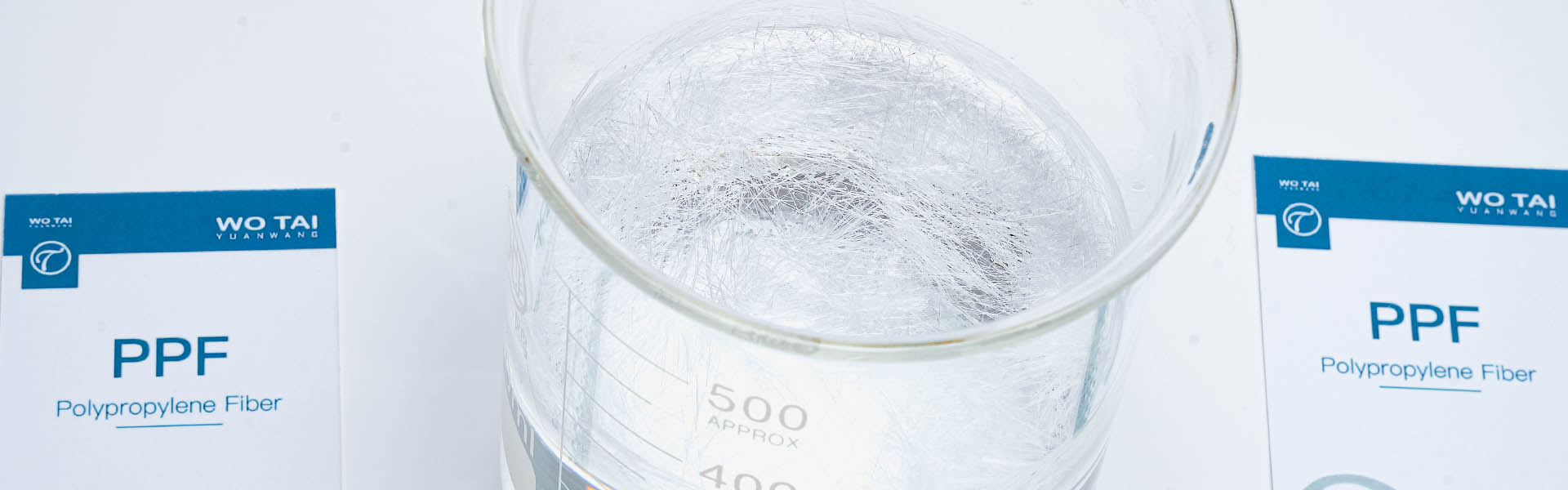
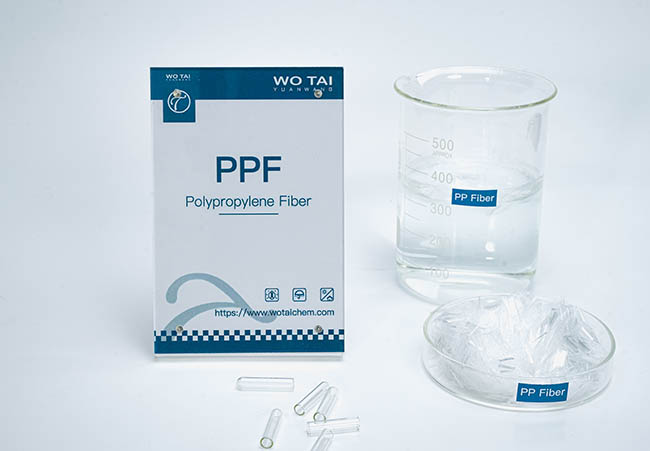
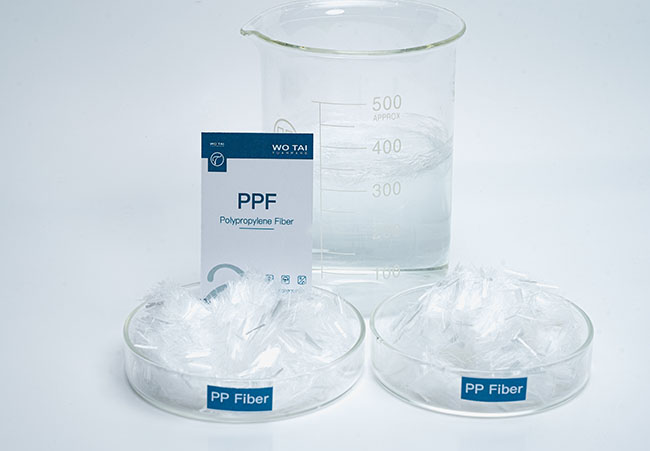
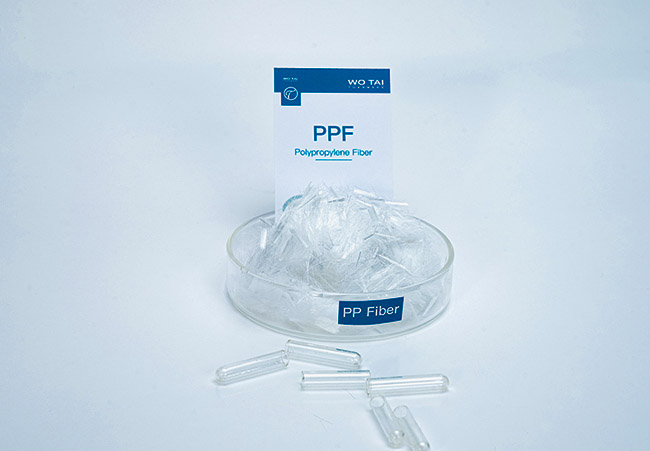

Polypropylene Fiber
Polypropylene fiber goes through special treatment, it develops a good dispersion ability in concrete and combines with cement with ageing resistance. They are widely used in concrete and mortars.
- Fast and efficient, easy to mix with concrete
- Save time and improve work efficiency
- Additional Toughness Through 3D Reinforcement
- Protect from erosion. Impact resistance
- Safety assurance in construction work
Why use polypropylene fiber in concrete?
Polypropylene fiber is a linear polymer artificial fiber acquired from propylene polymerization. It’s lightweight but high in strength and toughness, most importantly, erosion resistance. It’s a very popular substance used in construction.
Polypropylene fiber is a relatively cheap building material, with high resistance to moisture. It has unique characteristics; it is now one of the most popular building materials. As concrete reinforcement to be precise. There are many benefits to polypropylene fiber uses, such as versatility and good value for money, and compatibility in most technical processes. Low weight and low cost, fewer amounts are required.
Polypropylene fiber is extra light, durable, tough, and corrosion-resistant. Adding PPF certainly optimizes crack resistance and corrosion resistance. It also helps minimize pore distribution, and block the penetration of water to any other harmful ions. Normally concrete becomes dry and shrinkage after the water evaporates, which is inevitable. That’s also part of the reason we use PPF to prevent cracking caused by dry shrinkage.
Polypropylene fiber applications
Polypropylene fibers are frequently added to cement to enhance the resistance of concrete. With fiber reinforcement, the concrete becomes more durable than plain concrete.

Polypropylene fiber for concrete prevents cracks and enhances compressive power.
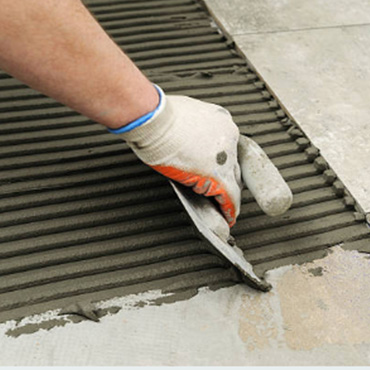
PP fiber for mortar achieves its maximum strength power, by reducing cracks within.

Including oil drilling platforms, military projects, and airport runways. PP fiber extends service life.
Polypropylene fiber grades
If you are looking for pp fibers to reinforce concrete, we might just be the right choice for you. We’re here to help you analyze, and pick up the correct option.
-

Length: 3mm
Tensile strength: 450Mpa
Elasticity(%): 40 – 100
Wear resistant: Good
Moisture rate(%):0 – 0.05
Melting point(ºC): 165
Chemical resistance: Average
Density: 0.91
-
 WOTAI PP-6
Length: 6mm
Tensile strength: 450Mpa
Elasticity(%): 40 – 100
Wear resistant: Good
Moisture rate(%):0 – 0.05
Melting point(ºC): 165
Chemical resistance: Average
Density: 0.91
-
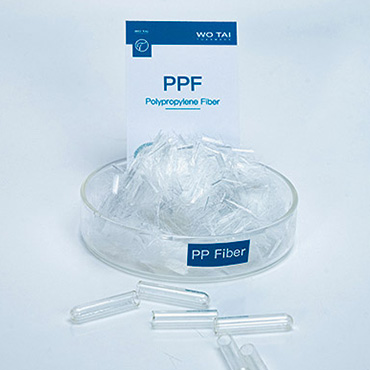 WOTAI PP-9
Length: 9mm
Tensile strength: 450Mpa
Elasticity(%): 40 – 100
Wear resistant: Good
Moisture rate(%):0 – 0.05
Melting point(ºC): 165
Chemical resistance: Average
Density: 0.91
A Professional PP Fiber Supplier
-

International certified. production in accordance with strict criteria. Quality is the top priority in our business development.
-
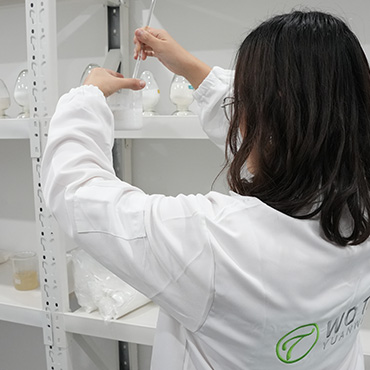 Our responsibility
Our role is to help you find the most suitable polypropylene fibre and make the most of it. We will provide you with clear advice every step of the way.
-

Looking for advice on choosing the right polypropylene fibre? You can start a live chat online or arrange a call with us and we will arrange it for you.
Our Promise to You

Innovative specialists and advanced production facilities

Quality control at every stage of the manufacturing process

Safe and reliable logistics services covering more than 30 countries

Find the best quality solution for you
Polypropylene fiber material, natural or synthetic?
Polypropylene fibres are synthetic fibres with unique characteristics. They are in fact the lightest synthetic fibres. They are even lighter than water and 34% more luminous than polymers. This does not detract from the fact that they are a very good building material, especially for concrete. The fibres are initially formed continuously or discontinuously on a plastic substrate . PP fibres have high strength properties for optimum construction results.
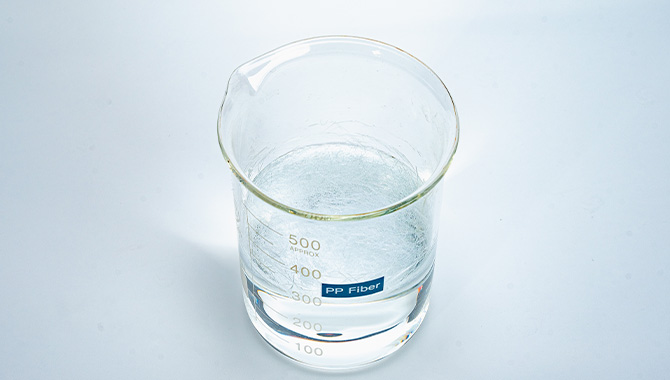
WOTAI produce quality polypropylene fibers


The elongation ratio is an important factor when selecting high-quality PP fibres. Fibres have a higher tensile ratio and initially have more reinforcement in the concrete. There is a lower risk of cracking. The tensile ratio is actually fixed during the manufacturing process, which is a fundamental step. However, PP fibres with a low tensile ratio may have a negative impact on the concrete. wotai offers different types of solutions for your various applications.
Polypropylene fiber production process
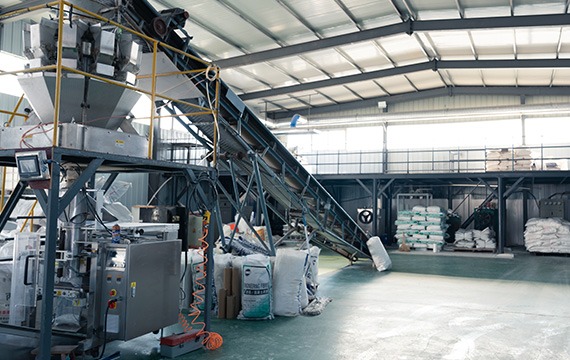
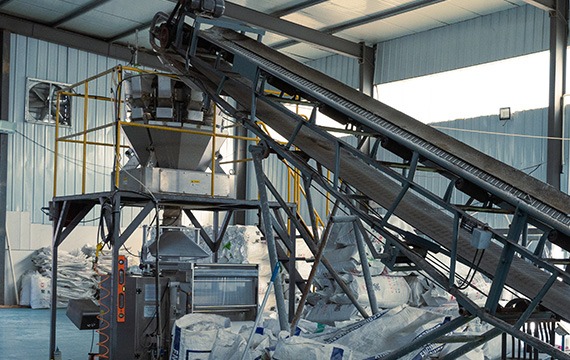
The molten polymer is then fed into the spinning machine with the help of a gear feed pump. The molten polymer will first be standardised and passed through the filter. Afterwards, the filtered polymer is passed through the spinnerette head and the hot and new filaments are ready. Finally, the filaments are cooled.
WOTAI PP Fiber Available Sizes
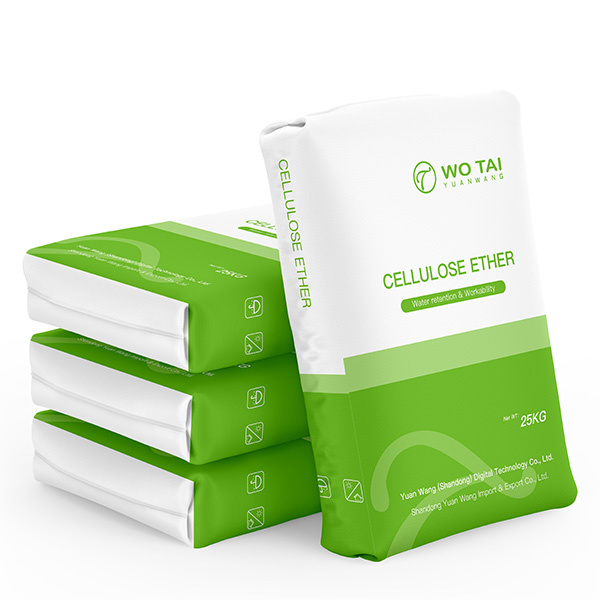
Also available in 5 kg and custom volumes.
Suitable for concrete and shotcrete, cement, and mortar.
Keep cool and dry, and avoid direct sunlight or sources of ignition.

Also available in 1 kg and custom volumes.
Suitable for concrete and shotcrete, cement, and mortar.
Keep cool and dry, and avoid direct sunlight or sources of ignition.
Also available in 1kg and 5kg.
Suitable for concrete and shotcrete, cement, and mortar.
Keep cool and dry, and avoid direct sunlight or sources of ignition.

Photo Gallery
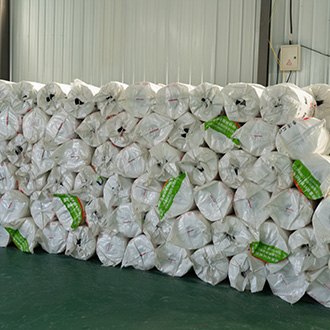
- PP Fiber Factory


Related Product

FAQs
Have any questions? We are always here to help you.
Polypropylene fibre is a linear polymer man-made fibre obtained by the polymerisation of propylene. It is light in weight, but strong and tough, and above all resistant to erosion. It is a very popular substance used in construction.
Polypropylene fibre is a linear polymer man-made fibre obtained by the polymerisation of propylene. It is light in weight, but strong and tough, and above all resistant to erosion. It is a very popular substance used in construction.
No. They are synthetic fibres with unique properties. In fact they are the lightest synthetic fibres. They are even lighter than water. 34% more luminous than polymers too. But it doesn’t detract from the fact that they are great building materials, especially for concrete.
Polypropylene fibre is a relatively inexpensive building material with a high level of moisture resistance. It has unique properties and is now one of the most popular building materials. Concrete reinforcement to be precise. The use of polypropylene fibre has many benefits, such as versatility and value for money, as well as compatibility with most technical processes. Lightweight, low cost and low quantities required. In addition to this, PPF remains stable at high temperatures. There is also a moisture barrier to prevent moisture loss.
Polypropylene is the safest plastic with heat resistance. It is approved for food and beverage storage.
Polypropylene fibre has high strength, good durability and low price. It is widely used in cement and concrete to prevent cracks and increase ductility.
Polypropylene powder is different from glass fibre. It is a thermoplastic resin manufactured by the polymerisation of propylene.